
Driveway Sealing & Resealing Conroe TX: Built for Montgomery County Clay & Rain
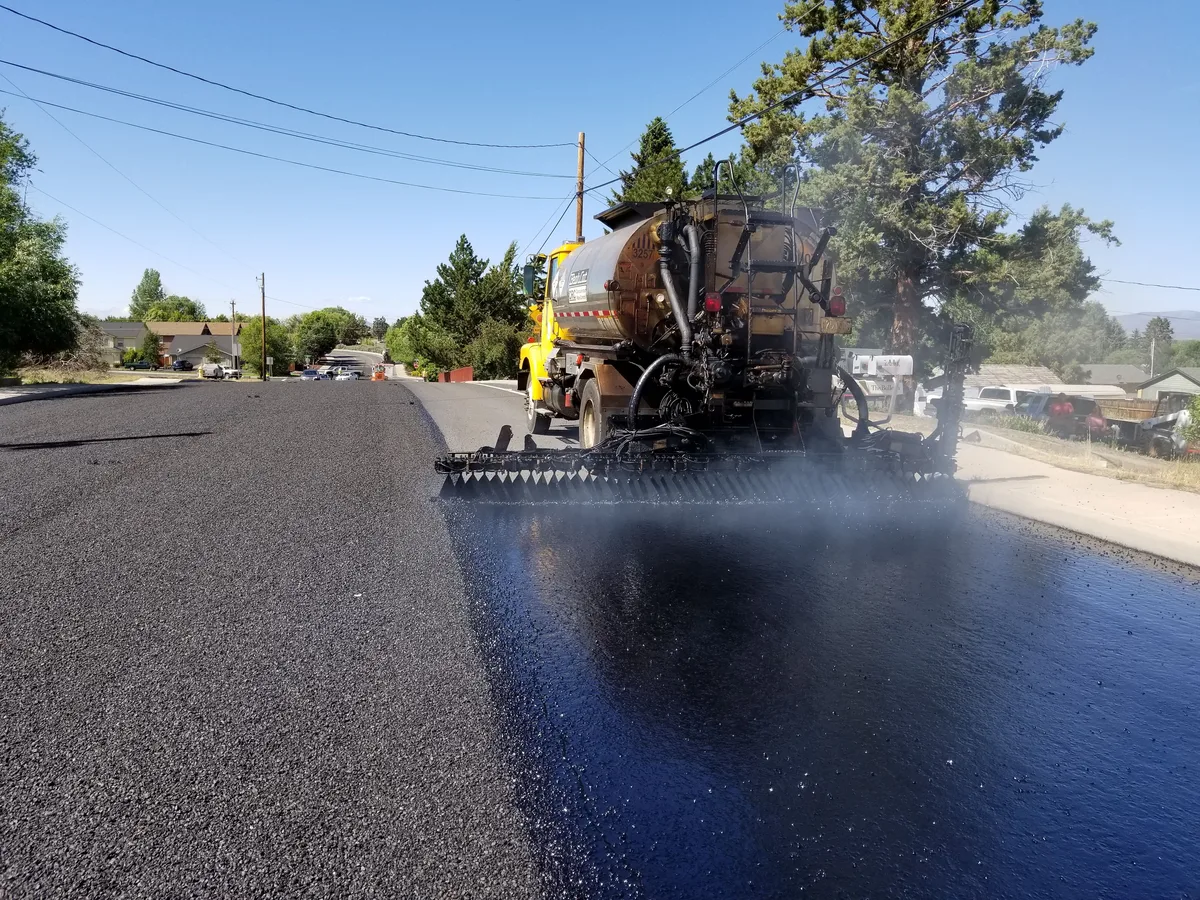
Conroe TX Driveway Experts provides driveway sealing & resealing for Conroe homeowners and property owners across Montgomery County. We diagnose what's actually causing the problem, prep the area correctly, and repair it so it holds up instead of needing the same fix again next year. Sealing protects an asphalt or concrete driveway's surface from UV exposure, oil staining, and water intrusion, extending its usable life well beyond an unsealed surface in a climate that swings from 140-degree summer surface temperatures to occasional hard winter freezes. We clean, patch minor surface flaws, and apply the correct sealer type for your driveway material, then finish with a squeegee and roller application for even coverage.
Call (936) 284-3720Get a Free Driveway Quote
No obligation. We will call or text back, usually same day.
Driveway Sealing & Resealing Conroe TX
Here is what a driveway sealing & resealing project with Conroe TX Driveway Experts actually looks like on the ground, from the numbers that matter to the details most quotes skip past.
Asphalt and concrete need fundamentally different sealer chemistry. Asphalt sealcoat protects against UV and oxidation. Concrete penetrating sealers protect against water intrusion and freeze-thaw spalling. We do not use one product for both.
At a glance: 2-3 Yrs is the typical asphalt resealing interval, 24-48 Hrs covers cure before vehicle traffic, and 2 Types is the figure for asphalt sealcoat vs. concrete penetrating sealer. Budget-wise, most homeowners land in the Priced per square foot, among the most affordable maintenance services offered range, with a typical project running Most residential driveways complete in a single day; cost scales with surface area and sealer type.
- Full surface cleaning and minor crack or pothole patching before sealing
- Asphalt sealcoat versus concrete penetrating sealer, matched to your surface
- Squeegee and roller application for even, streak-free coverage
- Recommended resealing interval based on sun exposure and traffic level
Cutting Corners
Apply a generic sealer without matching it to asphalt versus concrete chemistry
Our Approach
Match sealer type to your specific surface material for real protection
Technical Specs
- Asphalt product
- UV and oxidation-resistant sealcoat
- Concrete product
- Penetrating silane-siloxane or acrylic sealer
- Application method
- Squeegee and roller for even coverage
- Recommended interval
- Every 2 to 3 years for asphalt, longer for concrete
Quick recap: Asphalt product is UV and oxidation-resistant sealcoat | Concrete product is Penetrating silane-siloxane or acrylic sealer | Application method is Squeegee and roller for even coverage | Recommended interval is Every 2 to 3 years for asphalt, longer for concrete.
Driveway Sealing & Resealing: What Actually Matters
Sealing is genuinely one of the highest-value, lowest-cost things a homeowner can do to protect a driveway in this climate, but only if the right product goes on the right surface. Asphalt sealcoat is designed to protect against UV breakdown and oxidation, the process that turns a rich black surface gray and brittle after years of Texas sun. Concrete needs an entirely different chemistry, a penetrating sealer, often silane-siloxane based, that resists water intrusion into the concrete's pore structure, which is what drives freeze-thaw spalling when Montgomery County sees one of its periodic 15 to 20 degree winter drops.
We do not treat sealing as a one-product-fits-all service. Before applying anything, we clean the full surface and address minor cracks or small pothole spots, since sealing over debris or active surface damage just traps the problem under a new layer rather than solving it. Even coverage matters too, which is why we apply with a squeegee and roller combination rather than just spraying, since spray-only application tends to leave thin spots that wear through unevenly.
How often resealing makes sense depends on real factors specific to your driveway: how much direct sun exposure it gets, how much vehicle traffic it sees, and whether it is asphalt or concrete. Asphalt in full Texas sun typically benefits from resealing every 2 to 3 years, while a concrete penetrating sealer often holds its protection longer. We give an honest recommendation based on your specific driveway's condition rather than pushing a fixed schedule.
Before We Arrive
A little prep on your end keeps the driveway sealing & resealing timeline on track. Here is what actually helps, specific to this job, not a generic moving-day checklist.
- Move vehicles off the driveway for the full application and cure window
- Sweep loose debris off the surface if possible before we arrive for cleaning
- Point out any recent oil spills or stains that may need extra cleaning attention
- Keep pets and foot traffic off the surface during the 24 to 48 hour cure period
- Expect a strong but temporary odor from asphalt sealcoat application, which fades within days
How Your Driveway Sealing & Resealing Works
Four stages, start to finish. We will tell you which day you are on and what to expect next, rather than leaving you guessing mid-project.
Surface Cleaning
The full driveway is cleaned to remove dirt, oil residue, and loose debris before sealing.
Minor Repairs
Small cracks or surface flaws are patched so they are not sealed over untreated.
Sealer Application
The correct sealer for your surface type is applied evenly with squeegee and roller.
Cure & Walkthrough
We confirm the cure window and walk the finished surface with you.
Long-Term Care for Your Driveway Sealing & Resealing
A driveway sealing & resealing is not a set-it-and-forget-it purchase. What keeps it performing years down the line comes down to two things we build in from day one: squeegee and roller application for even, streak-free coverage, and recommended resealing interval based on sun exposure and traffic level. Both matter more over time than they do on day one, which is exactly why we do not skip them to shave a day off the schedule.
Beyond the build itself, asphalt and concrete need fundamentally different sealer chemistry. Asphalt sealcoat protects against UV and oxidation. Concrete penetrating sealers protect against water intrusion and freeze-thaw spalling. We do not use one product for both.
Typical Cost Range
cost scales with surface area and sealer type. Every quote reflects your specific site, sub-grade condition, and material choice, not a generic flat rate. We would rather walk your property and give you an accurate number than quote blind over the phone and adjust it later.
Driveway Sealing & Resealing FAQs
Real questions we hear from Montgomery County homeowners before booking driveway sealing & resealing, answered plainly and without the sales pitch.
How often should I reseal my asphalt driveway?
Every 2 to 3 years is a reasonable baseline for full-sun exposure in this climate, though heavier traffic or more direct sun can shorten that interval.
Does concrete need sealing too?
Yes, but a different product than asphalt. A penetrating concrete sealer protects against water intrusion and the freeze-thaw spalling that occurs during Montgomery County's occasional hard winter drops.
Will sealing hide existing cracks?
No, and we do not treat it as a substitute for crack repair. We patch minor flaws before sealing, but active structural cracks need proper crack repair or resurfacing first.
Do I need to be present while you seal my driveway?
No, but keeping vehicles off the surface for the full cure window afterward is important, so knowing your schedule helps us plan timing.
Do you offer free quotes for driveway sealing?
Yes, including an assessment of your surface condition and a resealing interval recommendation specific to your driveway.
Is driveway sealing & resealing the right fit for every property in the Conroe area?
Not automatically. What stays consistent on every job is the standard we build to: full surface cleaning and minor crack or pothole patching before sealing, and asphalt sealcoat versus concrete penetrating sealer, matched to your surface. The specific approach still gets adjusted on-site to your lot's actual soil and drainage, which is why every quote starts with a real site visit rather than a phone-only estimate.
How long should a driveway sealing & resealing last before it needs major work again?
It depends heavily on whether the sub-grade and base were built correctly the first time, which is the single biggest factor in longevity across every material we install. A driveway sealing & resealing built to spec, with proper compaction and the right material choice for your soil, should give you many years of service before anything beyond routine maintenance is needed.
What voids a warranty or shortens the life of a driveway sealing & resealing?
The two most common culprits we see are skipped sub-grade prep on the install side and neglected drainage on the maintenance side. Water finding its way under or beside a driveway, and clay sub-grade that was never properly compacted or stabilized, account for the overwhelming majority of early failures we get called out to diagnose.
Ready for Driveway Sealing & Resealing in the Conroe Area?
Call Conroe TX Driveway Experts for a free, honest quote built around your specific soil, drainage, and budget.
Call (936) 284-3720