
Driveway Apron Installation Conroe TX: Built for Montgomery County Clay & Rain
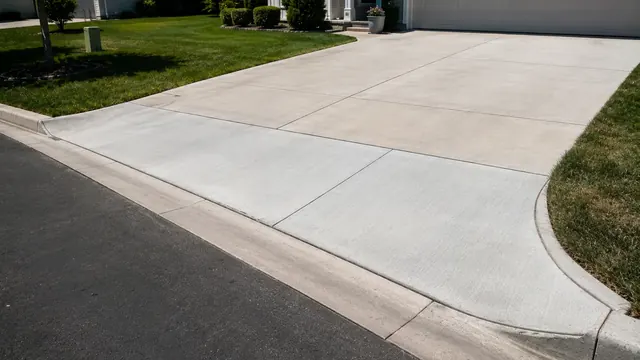
Conroe TX Driveway Experts handles driveway apron installation for Conroe homeowners and property owners across Montgomery County. We assess what's there now, plan the work around your property's specific conditions, and build or rebuild it to the same structural standard as new construction. The apron is the transition section where your driveway meets the street, and it takes more structural abuse than any other part of the driveway from turning vehicles, so it needs its own attention rather than being treated as a simple extension of the main slab. We build aprons to the correct thickness and joint spec for the transition, and coordinate with the relevant road authority, whether that is a city street, a county precinct road, or a TxDOT-regulated state route.
Call (936) 284-3720Get a Free Driveway Quote
No obligation. We will call or text back, usually same day.
Driveway Apron Installation Conroe TX
Here is what a driveway apron installation project with Conroe TX Driveway Experts actually looks like on the ground, from the numbers that matter to the details most quotes skip past.
An apron connecting to a TxDOT-regulated state route needs Form 1058 approval before work starts. We handle that paperwork as part of the project rather than leaving it as a surprise step that delays your timeline.
At a glance: Highest Wear is the apron sees the most turning stress of any driveway section, TxDOT Form 1058 covers required for state route connections, and 1-2 Days is the figure for typical apron installation timeline. Budget-wise, most homeowners land in the Priced per square foot, comparable to standard driveway installation range, with a typical project running Scales with apron width and chosen material; includes permit coordination for your road type.
- Built to withstand concentrated turning stress from vehicles entering and exiting
- Permit coordination differs by whether you front a city, county, or state road
- TxDOT Form 1058 required for aprons connecting to state routes like SH 105 or FM 1488
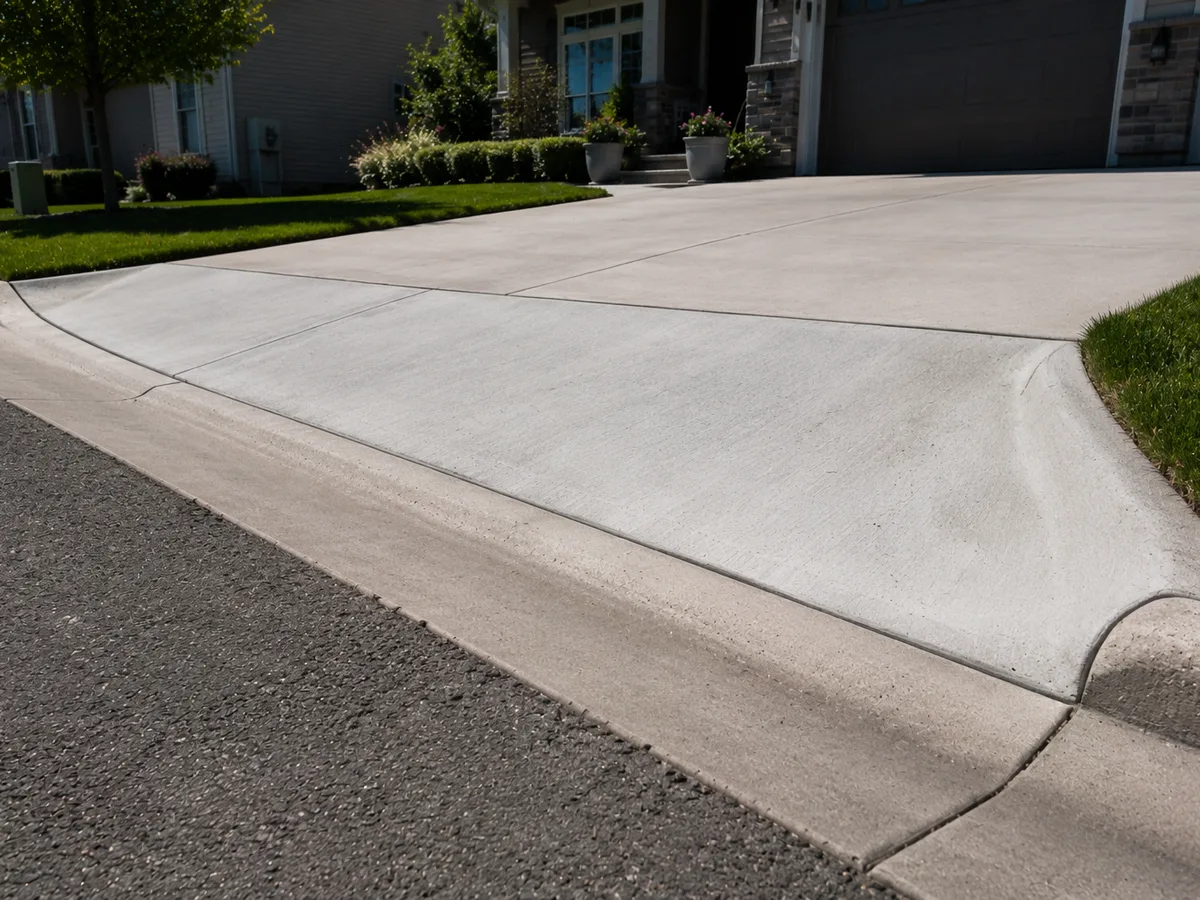
- Proper transition grade to avoid a jarring bump or drainage dam at the street edge
Cutting Corners
Pour the apron as a simple extension of the driveway without checking road authority requirements
Our Approach
Confirm the correct permitting path (city, county, or TxDOT) before pouring the apron
Technical Specs
- Wear zone
- Highest turning stress point on the entire driveway
- State route permit
- TxDOT Form 1058, coordinated through Houston District
- Transition grade
- Engineered to avoid a bump or drainage dam
- Joint spec
- Matched to the apron's higher-stress loading pattern
Quick recap: Wear zone is Highest turning stress point on the entire driveway | State route permit is TxDOT Form 1058, coordinated through Houston District | Transition grade is Engineered to avoid a bump or drainage dam | Joint spec is Matched to the apron's higher-stress loading pattern.
Driveway Apron Installation: What Actually Matters
The apron takes more abuse than any other section of a driveway, since every vehicle entering or exiting the property turns across it, concentrating stress in a way the rest of a straight driveway run never experiences. Building an apron to the exact same spec as the main driveway slab, without accounting for that higher turning stress, is a common reason aprons crack and fail faster than the driveway behind them.
Permitting for apron work also depends entirely on what kind of road your property fronts, and getting this wrong causes real project delays. A driveway apron connecting to a state-maintained route like SH 105, Loop 336, FM 1488, FM 1960, FM 1314, or FM 2090 requires TxDOT Form 1058, the Application for Permit to Construct Access Driveway Facilities on Highway Right-of-Way, processed through the TxDOT Houston District's West Montgomery County area office. A city street or county precinct road follows a different permitting path entirely. We confirm which applies to your property before scheduling work, not after.
Transition grade at the street edge is the other detail that separates a well-built apron from a rough one. The apron has to meet the existing street grade smoothly enough that vehicles do not bottom out or bounce entering the property, while also not creating a low spot that dams water and floods the street-side edge of your driveway during Montgomery County's frequent intense rain events.
Before We Arrive
A little prep on your end keeps the driveway apron installation timeline on track. Here is what actually helps, specific to this job, not a generic moving-day checklist.
- Confirm which road type fronts your property (city street, county road, or TxDOT state route)
- Have any existing driveway permit documentation on hand if available
- Clear the apron area and adjacent street-side parking for the work day
- Expect brief street-side work coordination, which may include a temporary access limitation
- Keep vehicles off the new apron for the full cure period before regular use
How Your Driveway Apron Installation Works
Four stages, start to finish. We will tell you which day you are on and what to expect next, rather than leaving you guessing mid-project.
Road Authority Check
We confirm whether your apron connects to a city street, county road, or TxDOT route, and pull the correct permit.
Sub-Grade Prep
The apron area is graded and compacted to handle its higher turning-stress loading.
Pour & Joint Placement
The apron is poured with joint spacing suited to the higher stress zone.
Grade Check & Walkthrough
We confirm the street transition grade is smooth and drains properly, then walk it with you.
Long-Term Care for Your Driveway Apron Installation
A driveway apron installation is not a set-it-and-forget-it purchase. What keeps it performing years down the line comes down to two things we build in from day one: txDOT Form 1058 required for aprons connecting to state routes like SH 105 or FM 1488, and proper transition grade to avoid a jarring bump or drainage dam at the street edge. Both matter more over time than they do on day one, which is exactly why we do not skip them to shave a day off the schedule.
Beyond the build itself, an apron connecting to a TxDOT-regulated state route needs Form 1058 approval before work starts. We handle that paperwork as part of the project rather than leaving it as a surprise step that delays your timeline.
Typical Cost Range
includes permit coordination for your road type. Every quote reflects your specific site, sub-grade condition, and material choice, not a generic flat rate. We would rather walk your property and give you an accurate number than quote blind over the phone and adjust it later.
Driveway Apron Installation FAQs
Real questions we hear from Montgomery County homeowners before booking driveway apron installation, answered plainly and without the sales pitch.
Do I need a permit just for the apron section?
If your property fronts a TxDOT-regulated state route, yes, Form 1058 applies specifically to the driveway access point. City and county roads follow different, usually simpler, permitting paths.
Why does the apron crack before the rest of my driveway?
It absorbs the most turning stress of any section, since every vehicle entering or exiting the property crosses it at an angle. Building it to the same spec as a straight driveway run without accounting for that is a common failure cause.
Can you fix just my apron without redoing the whole driveway?
Yes, apron work can be scoped as a standalone repair or replacement if the rest of your driveway is in good condition.
Do I need to be present for apron installation?
Not for the daily work, but confirming your road type and any existing permit documentation with us beforehand helps avoid delays.
Do you offer free quotes for driveway apron installation?
Yes, including a check on which permitting path applies to your specific property before we finalize the quote.
Is driveway apron installation the right fit for every property in the Conroe area?
Not automatically. What stays consistent on every job is the standard we build to: built to withstand concentrated turning stress from vehicles entering and exiting, and permit coordination differs by whether you front a city, county, or state road. The specific approach still gets adjusted on-site to your lot's actual soil and drainage, which is why every quote starts with a real site visit rather than a phone-only estimate.
How long should a driveway apron installation last before it needs major work again?
It depends heavily on whether the sub-grade and base were built correctly the first time, which is the single biggest factor in longevity across every material we install. A driveway apron installation built to spec, with proper compaction and the right material choice for your soil, should give you many years of service before anything beyond routine maintenance is needed.
What voids a warranty or shortens the life of a driveway apron installation?
The two most common culprits we see are skipped sub-grade prep on the install side and neglected drainage on the maintenance side. Water finding its way under or beside a driveway, and clay sub-grade that was never properly compacted or stabilized, account for the overwhelming majority of early failures we get called out to diagnose.
Ready for Driveway Apron Installation in the Conroe Area?
Call Conroe TX Driveway Experts for a free, honest quote built around your specific soil, drainage, and budget.
Call (936) 284-3720