
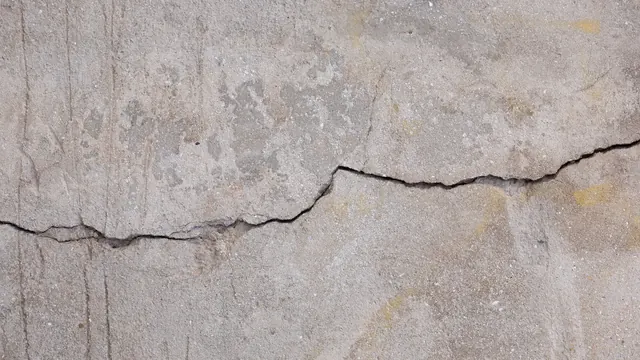
Driveway Crack Repair Conroe TX: Built for Montgomery County Clay & Rain
Conroe TX Driveway Experts provides driveway crack repair for Conroe homeowners and property owners across Montgomery County. We diagnose what's actually causing the problem, prep the area correctly, and repair it so it holds up instead of needing the same fix again next year. Cracks in Conroe area driveways almost always trace back to clay sub-grade movement, not a defect in the original concrete. We route out each crack to a clean, dry channel, then fill with a flexible polyurethane or epoxy crack sealant matched to the crack's width and whether it is still actively moving seasonally, so the repair flexes with the slab instead of cracking again along the same line.
Call (936) 284-3720Get a Free Driveway Quote
No obligation. We will call or text back, usually same day.
Driveway Crack Repair Conroe TX
Here is what a driveway crack repair project with Conroe TX Driveway Experts actually looks like on the ground, from the numbers that matter to the details most quotes skip past.
Not every crack gets the same treatment. An active crack that widens and narrows with the season needs a flexible sealant that moves with it. A stable hairline crack in an otherwise sound slab can take a rigid epoxy fill instead. Using the wrong one on the wrong crack is why so many DIY crack repairs fail within a year.
At a glance: 1 Day is the typical repair time, 2 Types covers structural vs. cosmetic crack sealants, and Same Day is the figure for vehicle-ready for most repairs. Budget-wise, most homeowners land in the Priced per linear foot of crack, typically a fraction of resurfacing cost range, with a typical project running Most single-crack repairs complete in under a day; cost scales with crack length and sealant type needed.
- Crack routing to a clean channel before any filler goes in
- Flexible polyurethane sealant for active, seasonally-moving cracks
- Rigid epoxy fill for stable, non-moving hairline cracks
- Root-cause diagnosis, since some cracks signal a sub-grade issue that needs more than filler
Cutting Corners
Squeeze generic caulk into every crack regardless of whether it is still moving
Our Approach
Diagnose whether the crack is active or stable, then match the sealant to it
Technical Specs
- Sealant type A
- Flexible polyurethane for active cracks
- Sealant type B
- Rigid epoxy for stable hairline cracks
- Prep method
- Routed channel, cleaned and dried before fill
- Diagnosis step
- Sub-grade cause assessment before repair
Quick recap: Sealant type A is Flexible polyurethane for active cracks | Sealant type B is Rigid epoxy for stable hairline cracks | Prep method is Routed channel, cleaned and dried before fill | Diagnosis step is Sub-grade cause assessment before repair.
Driveway Crack Repair: What Actually Matters
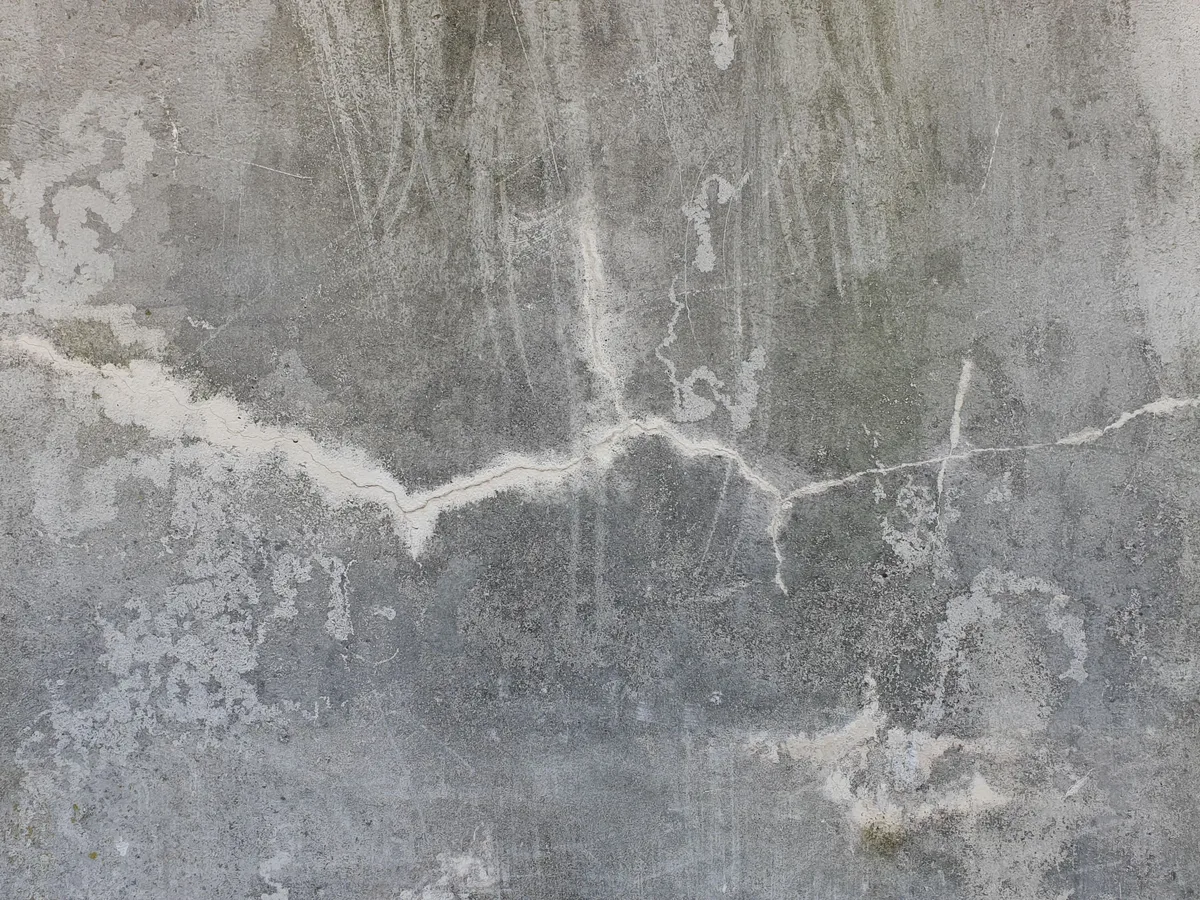
The most useful thing we can tell a homeowner about a cracked driveway is that the crack itself is a symptom, and the sealant choice depends entirely on what is causing it. On Conroe Series and Houston Black clay soils, which carry a Plasticity Index in the 35 to 50-plus range, seasonal wet-dry cycles push the sub-grade up and down by measurable inches. Cracks that open and close with that seasonal swing are active cracks, and they need a flexible sealant, typically polyurethane, that can stretch and compress with the slab.
A crack that has stopped moving, meaning it is the same width in August as it was in February, can usually take a more rigid epoxy fill, which restores more of the slab's structural continuity across the crack than a flexible sealant would. Using epoxy on an actively moving crack is a common mistake that leads to the repair cracking again within one season, since a rigid fill cannot accommodate ongoing sub-grade movement.
Before filling anything, we route the crack into a clean, slightly widened channel rather than just injecting sealant into the existing hairline gap. This gives the sealant a real bonding surface and enough material depth to actually flex or hold, instead of a thin bead sitting on top of a crack that pulls loose the first time the slab shifts. On driveways with widespread cracking rather than one isolated crack, we will also flag whether the underlying cause points toward a resurfacing or leveling need rather than spot repair alone.
Before We Arrive
A little prep on your end keeps the driveway crack repair timeline on track. Here is what actually helps, specific to this job, not a generic moving-day checklist.
- Sweep loose debris out of visible cracks if possible, though we will do a full clean before repair
- Move vehicles off the driveway for the repair day
- Point out any cracks that seem to change width noticeably between seasons
- Keep the repaired area traffic-free for the specified cure window, typically same-day to 24 hours
- Note any oil staining near cracks, since it affects sealant adhesion and may need degreasing first
How Your Driveway Crack Repair Works
Four stages, start to finish. We will tell you which day you are on and what to expect next, rather than leaving you guessing mid-project.
Crack Assessment
We inspect each crack, check whether it is active or stable, and identify any sub-grade cause.
Routing
Cracks are routed into a clean channel to give the sealant a proper bonding surface.
Sealant Application
Flexible polyurethane or rigid epoxy is applied based on the crack's movement diagnosis.
Cure & Walkthrough
We confirm cure time and walk the repaired areas with you before wrapping up.
Long-Term Care for Your Driveway Crack Repair
A driveway crack repair is not a set-it-and-forget-it purchase. What keeps it performing years down the line comes down to two things we build in from day one: rigid epoxy fill for stable, non-moving hairline cracks, and root-cause diagnosis, since some cracks signal a sub-grade issue that needs more than filler. Both matter more over time than they do on day one, which is exactly why we do not skip them to shave a day off the schedule.
Beyond the build itself, not every crack gets the same treatment. An active crack that widens and narrows with the season needs a flexible sealant that moves with it. A stable hairline crack in an otherwise sound slab can take a rigid epoxy fill instead. Using the wrong one on the wrong crack is why so many DIY crack repairs fail within a year.
Typical Cost Range
cost scales with crack length and sealant type needed. Every quote reflects your specific site, sub-grade condition, and material choice, not a generic flat rate. We would rather walk your property and give you an accurate number than quote blind over the phone and adjust it later.
Driveway Crack Repair FAQs
Real questions we hear from Montgomery County homeowners before booking driveway crack repair, answered plainly and without the sales pitch.
Why does my driveway keep cracking in the same spot?
That usually means the crack is active, meaning the sub-grade underneath is still moving seasonally. A rigid filler in an active crack will just crack again. We diagnose this before choosing a sealant.
Is crack repair permanent?
A properly diagnosed and sealed crack, matched to whether it is active or stable, holds up well long-term. What fails fast is using the wrong sealant type or skipping the routing step.
Can you repair a crack myself with a tube from the hardware store?
You can, but most store-bought caulk is not flexible enough for an actively moving crack or lacks the bonding strength of a properly routed and filled repair, which is why DIY crack fills often reopen within a year.
Do I need to be present while you repair my driveway cracks?
No, but pointing out any cracks that seem to widen seasonally before we start helps us diagnose the right sealant faster.
Do you offer free quotes for driveway crack repair?
Yes, including an assessment of whether the cracking points to a bigger sub-grade issue worth addressing.
Is driveway crack repair the right fit for every property in the Conroe area?
Not automatically. What stays consistent on every job is the standard we build to: crack routing to a clean channel before any filler goes in, and flexible polyurethane sealant for active, seasonally-moving cracks. The specific approach still gets adjusted on-site to your lot's actual soil and drainage, which is why every quote starts with a real site visit rather than a phone-only estimate.
How long should a driveway crack repair last before it needs major work again?
It depends heavily on whether the sub-grade and base were built correctly the first time, which is the single biggest factor in longevity across every material we install. A driveway crack repair built to spec, with proper compaction and the right material choice for your soil, should give you many years of service before anything beyond routine maintenance is needed.
What voids a warranty or shortens the life of a driveway crack repair?
The two most common culprits we see are skipped sub-grade prep on the install side and neglected drainage on the maintenance side. Water finding its way under or beside a driveway, and clay sub-grade that was never properly compacted or stabilized, account for the overwhelming majority of early failures we get called out to diagnose.
Ready for Driveway Crack Repair in the Conroe Area?
Call Conroe TX Driveway Experts for a free, honest quote built around your specific soil, drainage, and budget.
Call (936) 284-3720